Call us now :08045475525
 Send Inquiry
 Send Inquiry
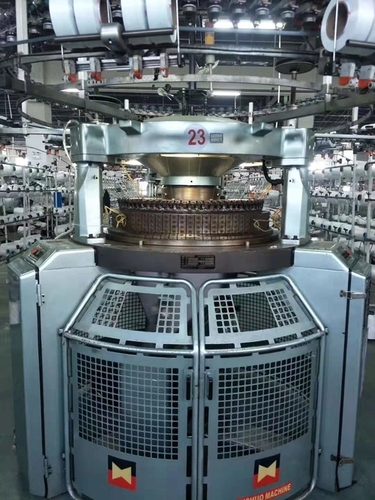
Mayer and Circular Knitting Machines
Price 100000.00 INR/ Piece
MOQ : 1 Piece
Mayer and Circular Knitting Machines Specification
- Stitch Density
- Adjustable
- Warranty
- 12 Years Manufacturer Warranty
- Drive Type
- Electric
- Color
- Industrial Grey / Blue
- Application
- Textile Manufacturing, Fabric Production, Knitted Garments
- Knitted Type
- Single Jersey, Double Jersey, Rib, Fleece, Terry
- Needle
- Cylinder & Dial Needles / Groz-Beckert or equivalent
- Function
- High-Speed Fabric Knitting
- Product Type
- Circular Knitting Machines
- Control System
- Automatic
- Condition
- New
- Knitting Method
- Circular Knitting
- Racking
- Optional
- System Support
- Single Jersey, Double Jersey, Rib, Interlock, Jacquard
Mayer and Circular Knitting Machines Trade Information
- Minimum Order Quantity
- 1 Piece
- Supply Ability
- 4 Pieces Per Day
- Delivery Time
- 2 Week
- Main Domestic Market
- All India
About Mayer and Circular Knitting Machines
Circular knitting machines are specialized machines used in the textile industry for the production of seamless tubular or flat knitted fabrics. These machines feature a circular needle bed and employ a continuous loop of yarn to create knitted fabrics. They offer high productivity, versatility, and efficiency, making them widely used in various applications, including apparel, accessories, and technical textiles.
FAQs ofMayer and Circular Knitting Machines:
Q: What are circular knitting machines?
A: Circular knitting machines are textile machines that use a circular needle bed to produce seamless tubular or flat knitted fabrics. They employ a continuous loop of yarn and work in a circular motion to create fabric without the need for seams.
Q: What are the advantages of using circular knitting machines?
A: Circular knitting machines offer several advantages. They enable the production of seamless fabrics, which reduces the need for additional sewing operations. They provide high productivity, as they can produce fabric in a continuous manner. Circular knitting machines also allow for versatile fabric production, accommodating a wide range of yarn types, stitch patterns, and fabric weights.
Q: What types of fabrics can be produced with circular knitting machines?
A: Circular knitting machines can produce a variety of fabrics, including single jersey, double jersey, rib knits, interlock, pique, and more. These fabrics are commonly used in the production of T-shirts, dresses, sweaters, socks, and various other knitted garments and accessories.
Q: Are circular knitting machines suitable for small-scale operations?
A: Circular knitting machines are available in various sizes and configurations, catering to different production scales. While larger machines are typically used in industrial settings, there are smaller versions suitable for small-scale operations and independent designers. The choice of machine depends on the desired production volume and requirements.
Q: How do circular knitting machines work?
A: Circular knitting machines have a circular needle bed with multiple needles arranged in a circular arrangement. Yarn is fed into the machine and forms a continuous loop. As the needle bed rotates, the needles move up and down, interlocking with the yarn to create stitches and fabric. The fabric is produced in a tubular form that can be opened up to create a flat fabric.
Q: What maintenance is required for circular knitting machines?
A: Regular maintenance is necessary to keep circular knitting machines in optimal working condition. This includes cleaning, lubrication, and inspection of the machines components. Timely replacement of worn-out needles and parts is also important for consistent and high-quality fabric production.
Advanced Knitting Flexibility
These knitting machines accommodate diverse fabric types, including single jersey, double jersey, rib, fleece, terry, and jacquard. With versatile control systems and stitch density adjustments, users can seamlessly tailor the knitting process to specific fabric quality and production volume requirements, making them suitable for a wide range of garment and textile products.
Efficient Control and Operation
Featuring an automatic control system and electric drive, the machines are engineered for continuous, high-speed knitting. Optional racking expands design capabilities, while user-friendly interfaces enable easy monitoring and configuration adjustments, ensuring consistent quality and minimal downtime during large-scale manufacturing.
FAQs of Mayer and Circular Knitting Machines:
Q: How does the automatic control system enhance fabric production efficiency in these knitting machines?
A: The automatic control system streamlines operation by precisely managing stitch density and pattern settings, reducing manual intervention. This results in faster setup, consistent fabric quality, and optimal use of materials during production.Q: What types of fabrics can be produced with these Mayer and Circular Knitting Machines?
A: These machines are capable of producing single jersey, double jersey, rib, fleece, terry, interlock, and jacquard fabrics, making them suitable for a wide array of knitted garments and textile applications.Q: When should optional racking functionality be considered for textile manufacturing?
A: Optional racking is recommended when enhanced pattern versatility or more complex fabric structures are required. It allows for the creation of intricate designs and three-dimensional effects, supporting specialized textile products.Q: Where are these machines best utilized within the textile manufacturing industry?
A: These Mayer and Circular Knitting Machines are ideal for use in factories and production plants specializing in fabric and garment manufacturing, providing scalable solutions for both small and large-scale textile operations across India.Q: What is the process for maintaining these knitting machines, and how does the manufacturer warranty support users?
A: Routine maintenance involves cleaning, lubrication, and needle inspection or replacement using Groz-Beckert or equivalent parts. The provided manufacturer warranty (12 years) covers repairs and technical support, ensuring reliable performance and minimizing disruptions.Q: What benefits do the adjustable stitch density and versatile control system offer during operation?
A: Adjustable stitch density and a versatile control system enable precise customization of fabric texture and thickness, allowing manufacturers to meet diverse market demands while minimizing waste.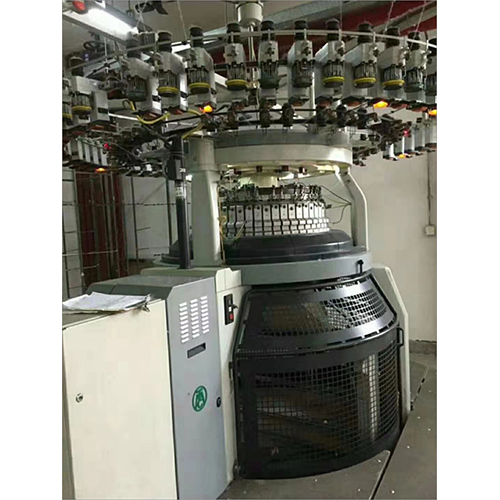
Tell us about your requirement

Price:
Quantity
Select Unit
- 50
- 100
- 200
- 250
- 500
- 1000+
Additional detail
Mobile number
Email

More Products in Knitting Machine Category
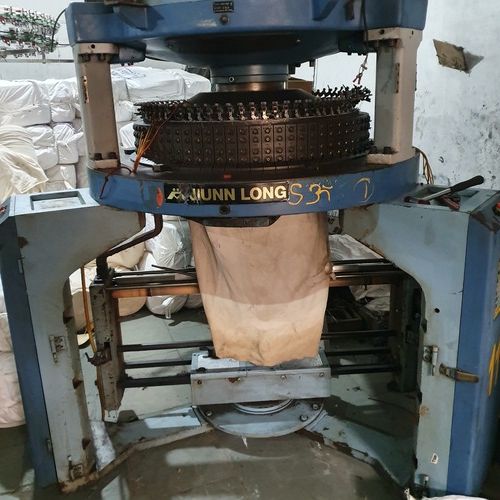
Used Knitting Machine
Price 100000 INR / Piece
Minimum Order Quantity : 1 Piece
Drive Type : Electric
Condition : New
Product Type : Used Knitting Machine
Application : Textile & Garment Industry
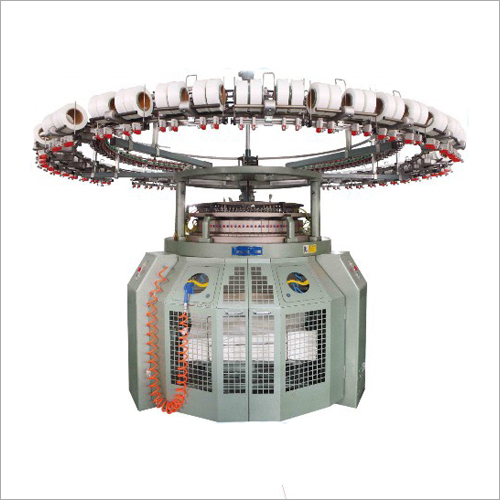
Knitting Circular Machine
Price 100000 INR / Piece
Minimum Order Quantity : 1 Piece
Drive Type : Electric
Condition : New
Product Type : Knitting Circular Machine
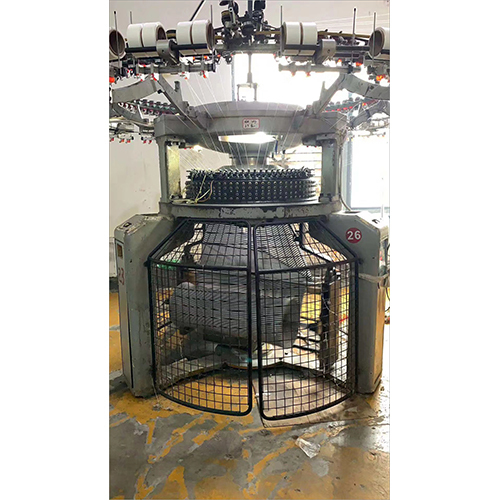
Double Jersey Knitting Machine
Price 100000 INR / Piece
Minimum Order Quantity : 1 Piece
Drive Type : Electric
Condition : New
Product Type : Double Jersey Knitting Machine
Application : Caps And Scarfs
Welltex Interlock Knitting Machine
Price 100000 INR / Piece
Minimum Order Quantity : 1 Piece
Drive Type : Electric
Condition : New
Product Type : Interlock Knitting Machine
Application : Sweaters,caps,gloves

 Send Inquiry
Our Products

B No. 638/4A, Street No. 4C, Guru Vihar, Rahon Road,Ludhiana - 141008, Punjab, India

Mr Sanjay Jain
(Proprietor)
Mobile :08045475525
 Send Inquiry
 Send SMS
Developed and Managed by Infocom Network Private Limited.
